

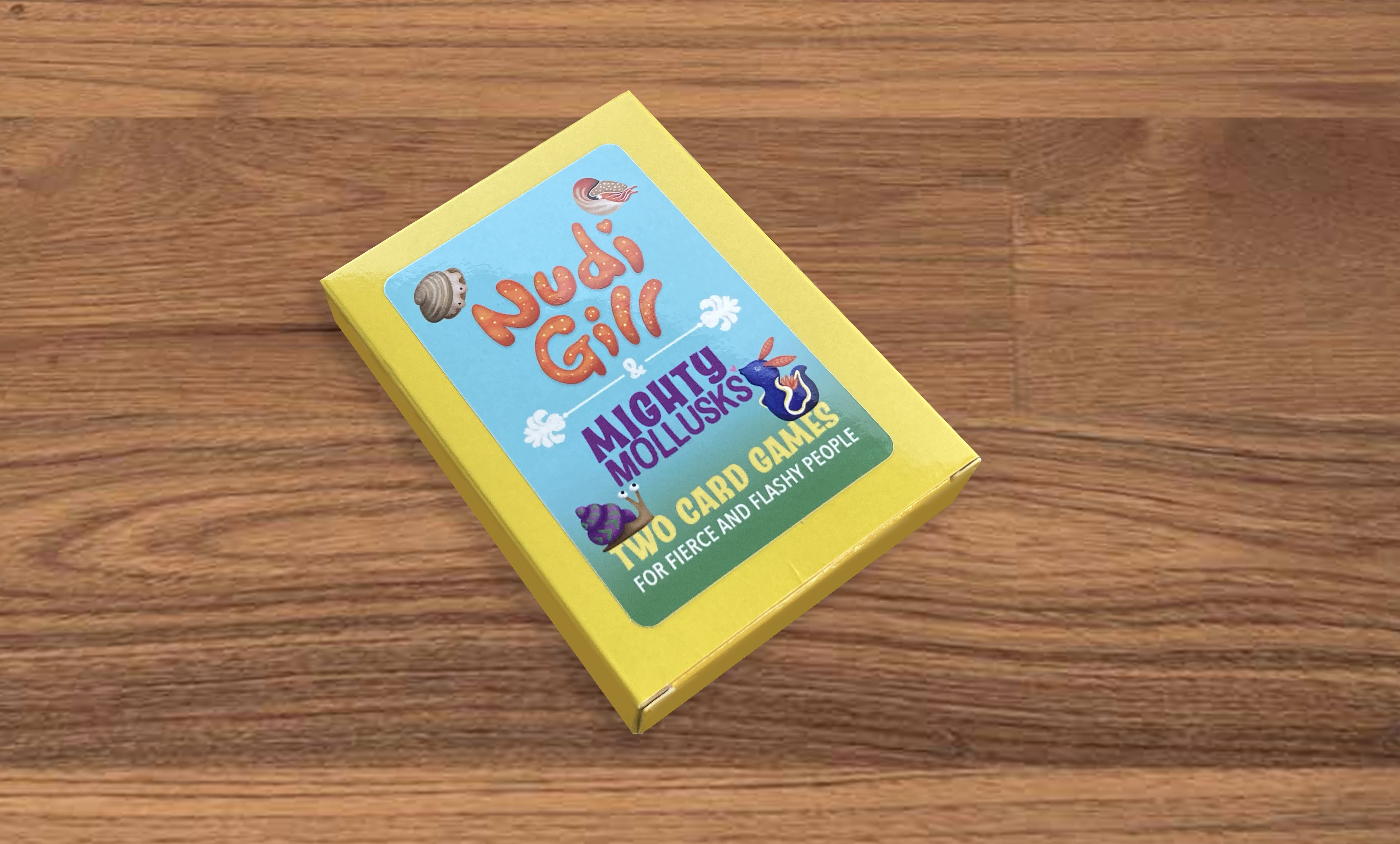
How to Play NUDI GILL:
For 2-4 players.
Object: Be the FIRST player to run out of cards.
Using the entire deck one player shuffles the cards and deals out seven cards to each player.
The remainder of the deck goes in a pile face down on the table. This is the DRAW pile.
The person to the left of the dealer goes first. They must draw a card from the top of the pile.
Now they can lay down on the table any pairs they have. To have a pair the numbers in the left corner must match. Wild and action cards do not count as pairs.
Once you have played the cards you want to, you must draw a new card before it is the next person’s turn.
You will continue taking turns around the table clockwise.
If you only have one card left you must shout out “NUDI GILL!” before ending your turn. If you don’t other players can catch you by saying, “NUDI GILL!” and you will have to draw a card.
The person who runs out of cards first wins.
Wild cards can be played at any time and any card can played on top of a wild card. They are meant to be fun, so get creative with them.
Action cards have directions written on them. The person who is next must do what the action card says.
A special note about the Trade Places action card. You choose the rules for the game. When a player plays the Trade Places card they can either switch seats with another player, switch hands with another player, or both. Whatever you set as the rule, stick with it for the entire game.
A fun way to play when you first start, is to read all the card’s facts and comics to everyone out loud before playing it. You might learn some neat things about mollusks!
HOw To Play MIGHTY MOLLUSKS:
For 2-4 players.
Object: Be the LAST player to run out of cards.
Mighty Mollusks is played with only the numbered cards. Remove all the numbered cards and sort them by color. You decide which type of mollusk you will represent. Choose between bivalves, nudibranchs, cephalopods, and snails. If you have only two players, each player can represent two types of mollusks.
Each type of mollusk is numbered from 1 to 11. 1 is the least powerful and 11 is the most powerful. Each played shuffles their own set of cards face down (so they can’t see the numbers). Set the deck in front of you face down.
One the count of 3, all players will turn over the top card of their own deck. The card with the highest number wins and collects all the turned over cards. If there are two or more high cards with the same number, this calls for a battle. Players in a battle will turn over another card from their pile. The player with the highest card, takes all the turned over cards.
Keep playing like this until one person wins all the cards.
Don’t forget to read all the interesting mollusk facts on each card and enjoy all the jokes. Have fun while you learn about these squishy and sometimes sassy sea creatures.
ANOTHER Game to play:
For 2-4 players. You can play “Go Fish” with the numbered cards. You can fish for a type of mollusk. The object of this game is to collect the most pairs.
Deal each player seven cards. Start with the youngest player or the winner from the previous game. Play in clockwise order.
Each person can fish by asking a specific player for a cephalopod, snail, nudibranch, or bibalve. If they have one they must surrender it to the person who asked. The player will then lay down their pair of matching colors/mollusks. If they don’t have one, they will say, “go fish,” and the person who asked will draw a card from the draw pile.
You make up the rules for the game. Whatever rules you decide on, stick with them through the entire game. You can either let a winner go again or just move on to the next player after each win.
Keep going around until someone runs out of cards in their hand. The person with the most pairs collected wins.
A SPECIAL SHOUT OUT TO NUDI GILL HERO, Terri Mattsen, for supporting this project!

There’s so much more to learn about mollusks!
More about Nifty Nudibranchs:
Check out Nudi Gill: Poison Powerhouse of the Sea, written and illustrated by Bonnie Kelso. This informational fiction picture book features a silly, sassy, and sometimes fierce nudibranch named Gill.

Learn more about nudibranchs (including the cute little cotton-tailed Sea bunny) and other sea slugs on We Discover’s Marine Wonder’s: Sea Slugs video.
More about Carnivorous Cephalopods:
Did you know that octopuses have three hearts, arm brains, and blue blood? Read more fascinating facts on Smithsonian Magazine’s website.
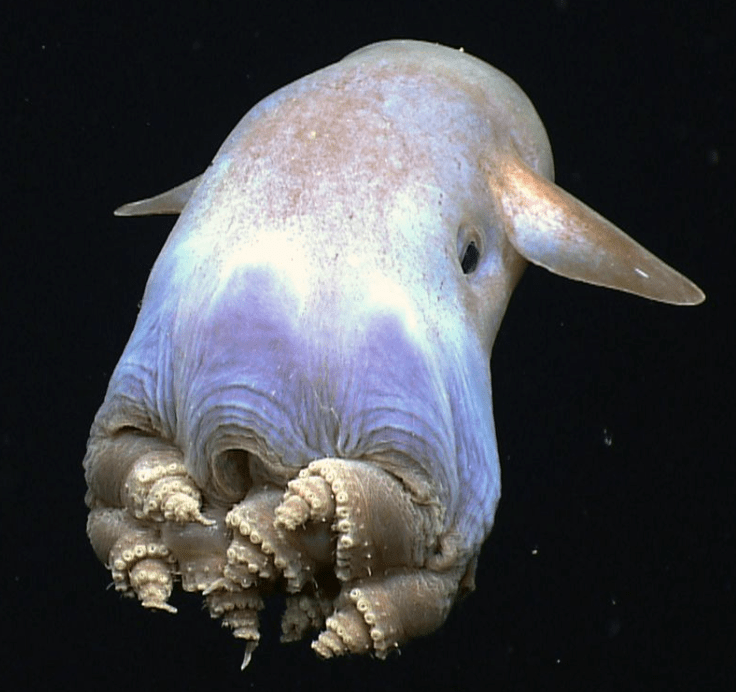
There are about 17 species of Dumbo octopus that belong to a group called “umbrella octopus,” because they are able to float with an umbrella-like look to their mantle. Read more about these adorable cephalopods at Aquarium of the Pacific.
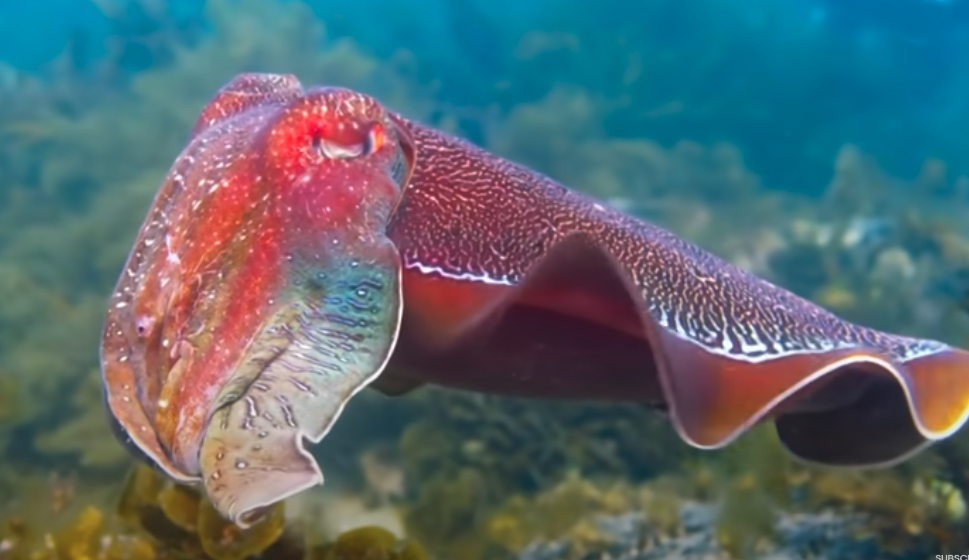
A classic video clip from Blue Planet II narrated by John Attenborough showing cuttlefish trickery, posted by BBC Earth.
More about Sassy Sea Snails:
Check out Allie Ward’s SMOLOGIES podcast about Snails and Slugs with Dr. Jann Vendetti.
Have you ever wondered why some shells you find on the beach have a hole in them, the perfect size for threading a string through to make a necklace? Thank a moon snail! Check out the Dept. of Ecology State of Washington’s article: We’re Over the Moon for the Moon Snail.

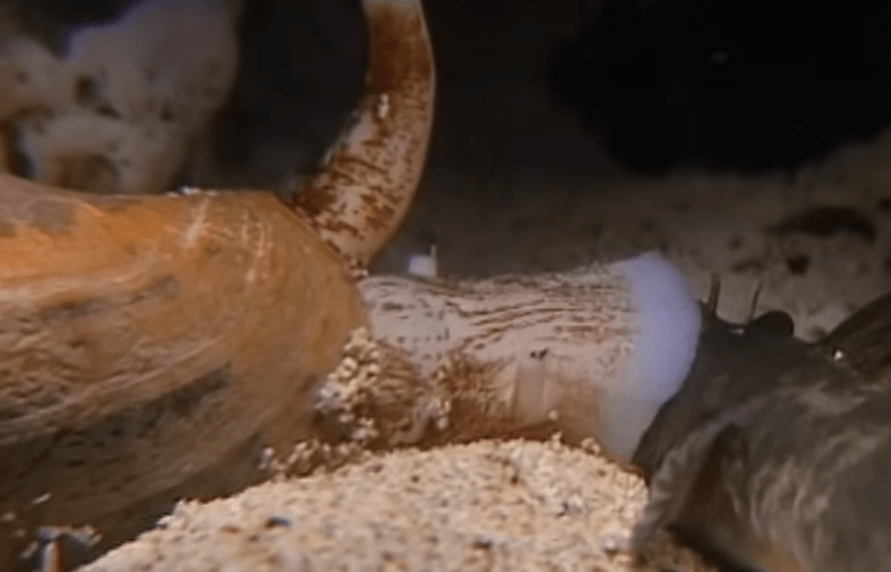
Meet the deadly cone snail up close and personal in National Geographic’s Killer Cone Snail video.
More about Bodacious Bivalves:
Did you know that scallops can move 37 cm/second, or over five body lengths per second! Find more cool information about bivalves on Dan Killiam’s Clamsplaining website.
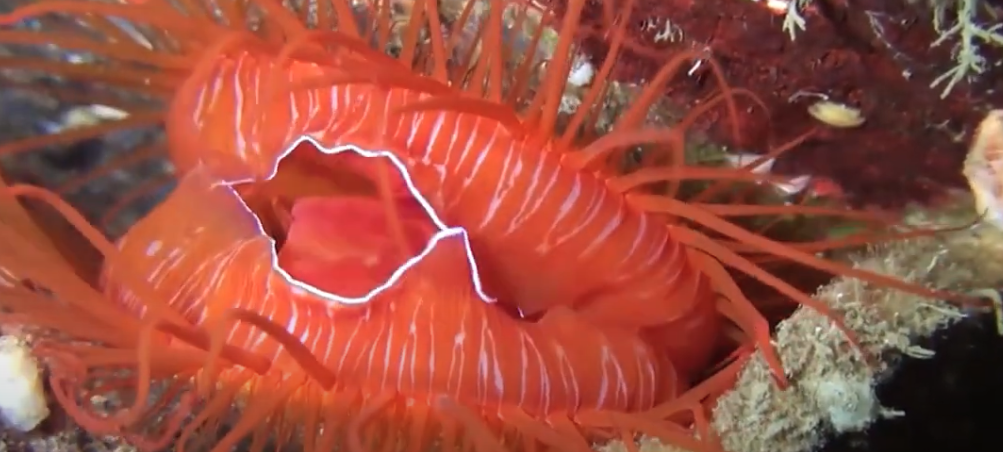
See the electric file clam getting its disco on in this National Geographic video clip.
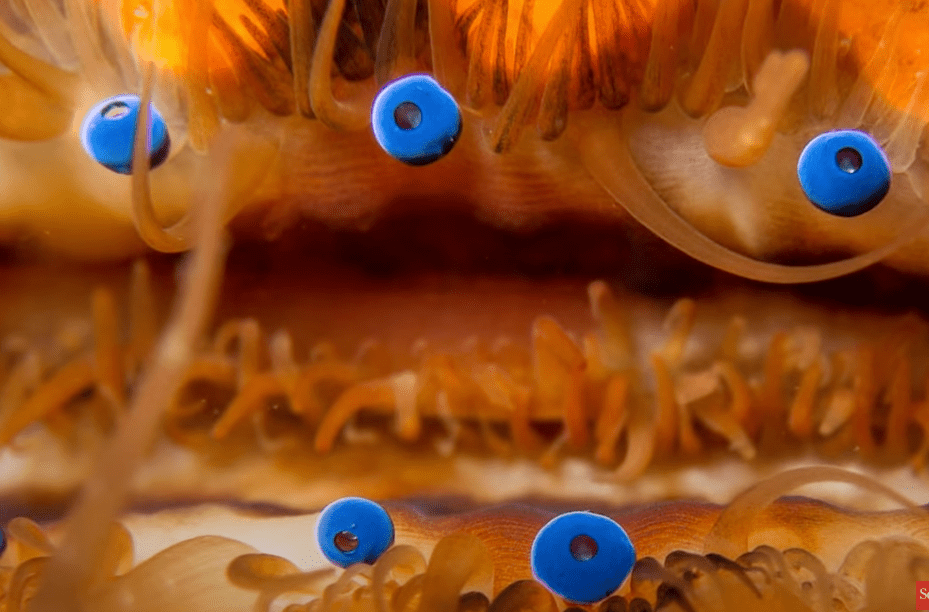
Go eye to eye with scallops in Science Magazines’s video: Hubble in a bubble: scallop eyes act like tiny telescopes.
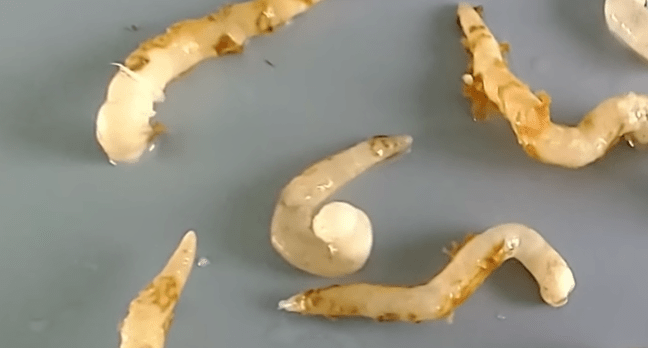
Learn more than you may want to know about shipworms, which aren’t actually worms at all, in the informative video This Clam Sinks Ships by Bizarre Beasts.
PURCHASE A DECK hERE:
If you would like to purchase a deck of cards, please email me. I will need to calculate your shipping cost and add it to the $15 cost of the deck before sending you an invoice. Thank you.
DONATE A DECK HERE:
If you would like to donate a deck of cards to a local Las Vegas school, please send your donation of $15 to my Venmo account with a note to let me know. Thanks!


 Bonnie Kelso