NUDI GILL PIN-UP: Dendronotus Rufus

In preparation for NUDI GILL, my debut picture book release in September 2022, I will be blogging about nudibranchs monthly. My hope is that you, too, will fall in love with these colorful little critters. November’s supermodel is (drumroll, please):

Dendronotus Rufus

This month I’d like to change things up a bit with a little quiz called:

“FLORA or FAUNA”

I’ll show you an image and you have to guess if it’s FLORA (a plant) or FAUNA (an animal).

Ready?

.

.

.

Let’s go!

#1
#2
#3
#4
#5

Wait a minute…

Let’s take

a closer look

at that one…
#5A
#6
#7

Hey!

Wait a minute…

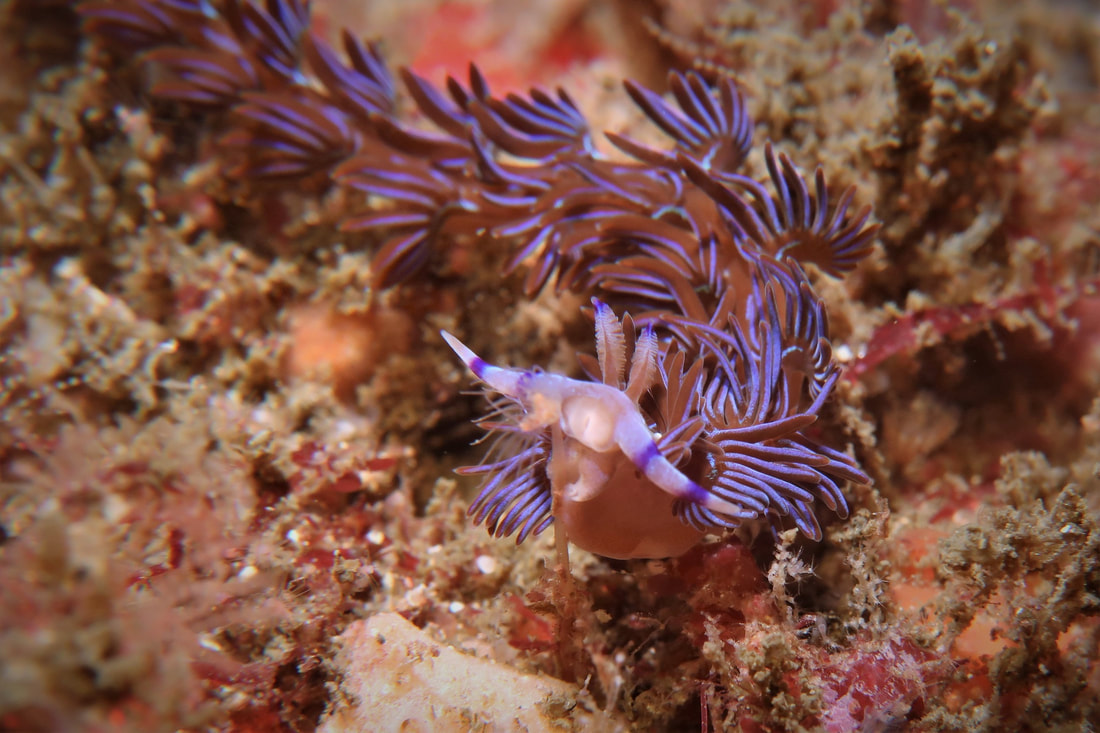
That’s our November Pin-Up,

Dendronotus Rufus!

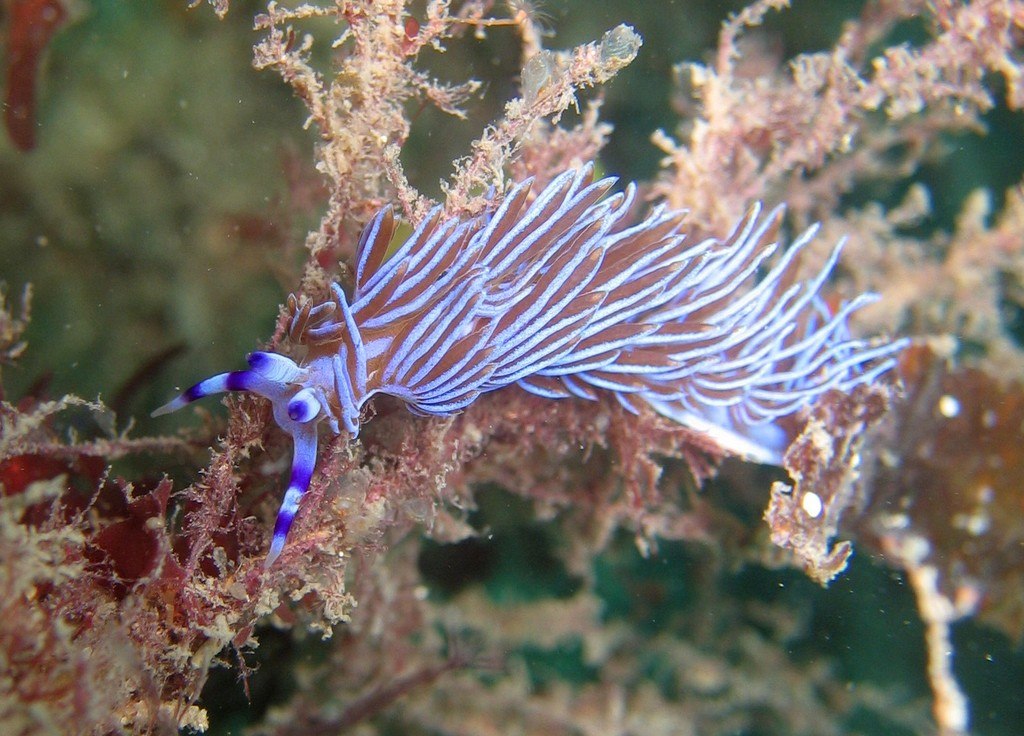
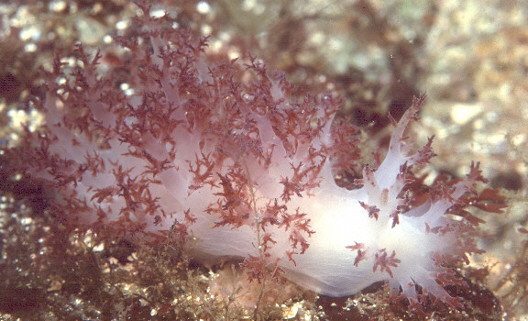
Dendronotus Rufus is really good at blending in with their environment. They have long branched papillae and rhinophores making them appear more like stationary soft coral than a mobile nudibranch. Pretty tricky, D. Rufus!

Thanks for playing my game! Here are the correct answers:

#1 Fauna

Starfish might move uber-slow, but they are definitely animals.

#2 Fauna

This beautiful delicate little thing is called a Christmas Tree Worm. When they sense danger they tuck inside themselves, making it seem as if they have suddenly disappeared.

#3 Fauna

This is a sea sponge. Like a plant, they are fixed in one place, but because they do not synthesize their own food, they are animals. Nutrient-rich water flows through them providing them with the sustenance they require to live.
#4 Flora

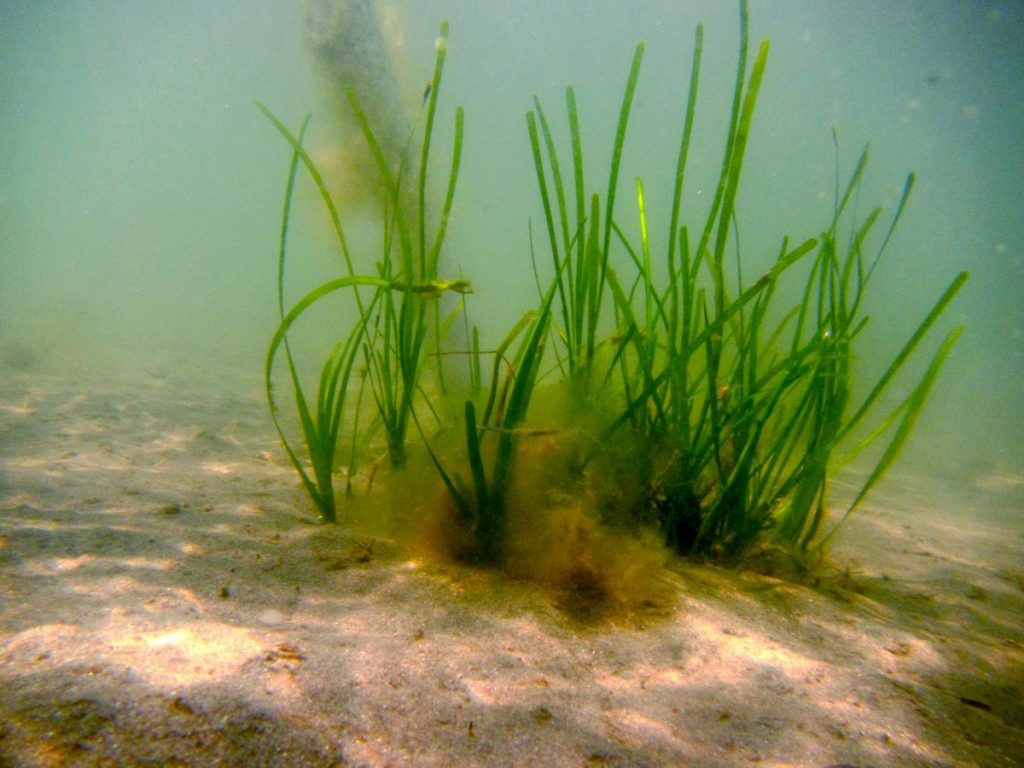
Yup. This is sea grass. Sea grass can grow in clusters creating dense underwater meadows. The fluffy stuff is algae, also considered flora.

#5 Fauna

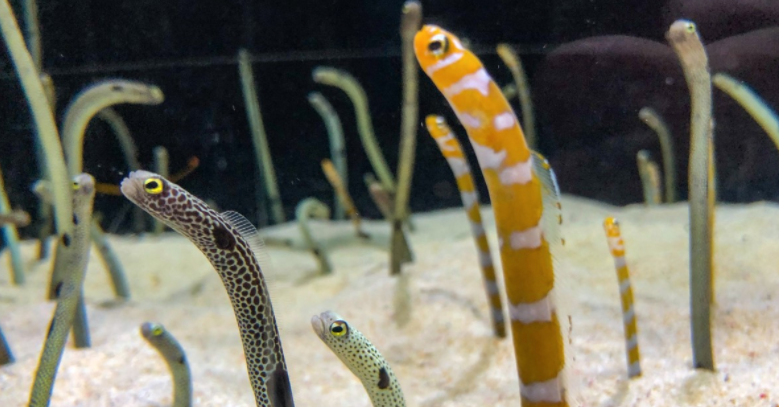
These are garden eels. They float up from their burrows and wave in the currents collecting food. In this position a colony of garden eels looks very much like sea grass. But when they are threatened they slide down into their burrows quickly making you wonder what happened to all the “grass.”

#6 Fauna

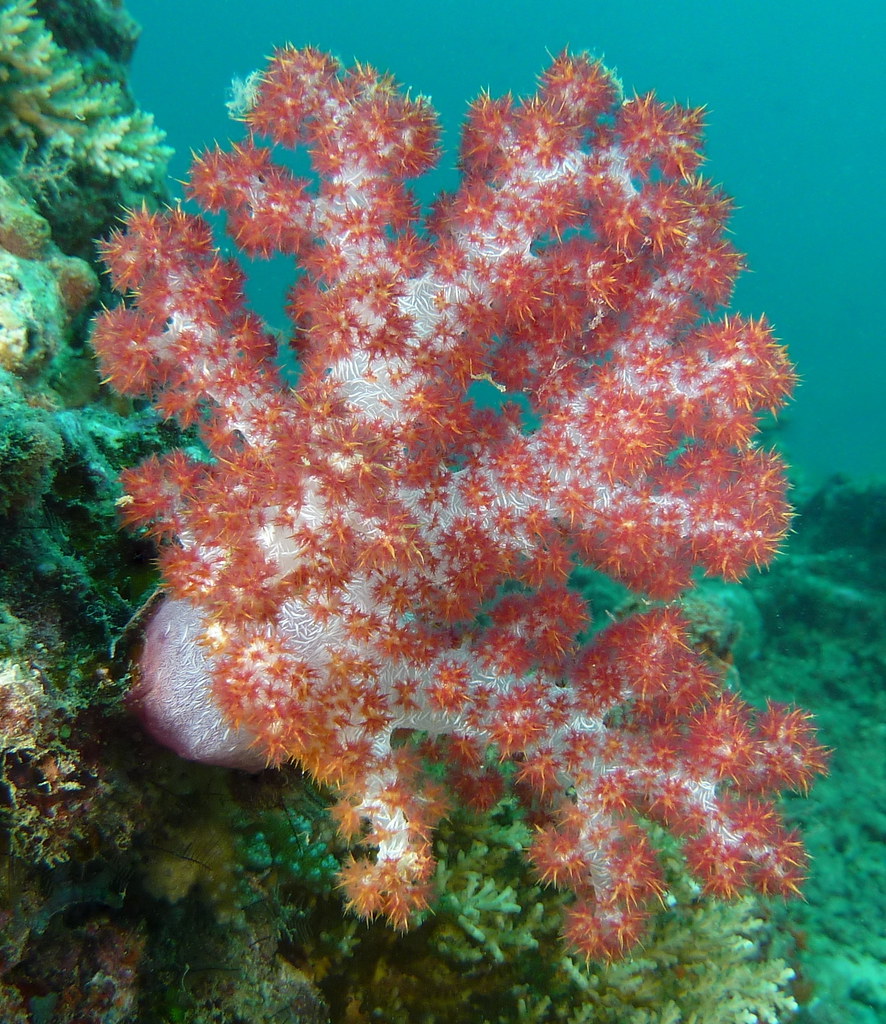
Soft corals are colonial organisms, which means they are formed of colonies of polyps. This is a species of soft coral known as Dendronephythya. It consumes phytoplankton. I think you can see from this friendly fauna where Dendronotus Rufus gets their name.
#7 Fauna

Last, but certainly not least, we have Dendronotus Rufus. Definitely an animal and a delightfully unusual one to be sure.

I hope you enjoyed meeting the beautiful and bizarre Dendronotus Rufus and all their fauna friends. Stay tuned for December’s NUDI GILL PIN-UP with a special holiday gift from me.

Bonnie

Bonnie Kelso writes and illustrates books for children and adults that encourage individualism and brave self-expression. She facilitates art workshops for her local community and beyond. Her debut picture book, NUDI GILL, will be released in September, 2022. A lover of nature and travel, she can be found wandering about outside with her family whenever a good opportunity to do so presents itself.

NUDI GILL PIN-UP: Nembrotha Aurea

In preparation for NUDI GILL, my debut picture book release in September 2022, I will be blogging about nudibranchs monthly. My hope is that you, too, will fall in love with these colorful little critters. Without further ado, allow me to introduce you to October’s supermodel:

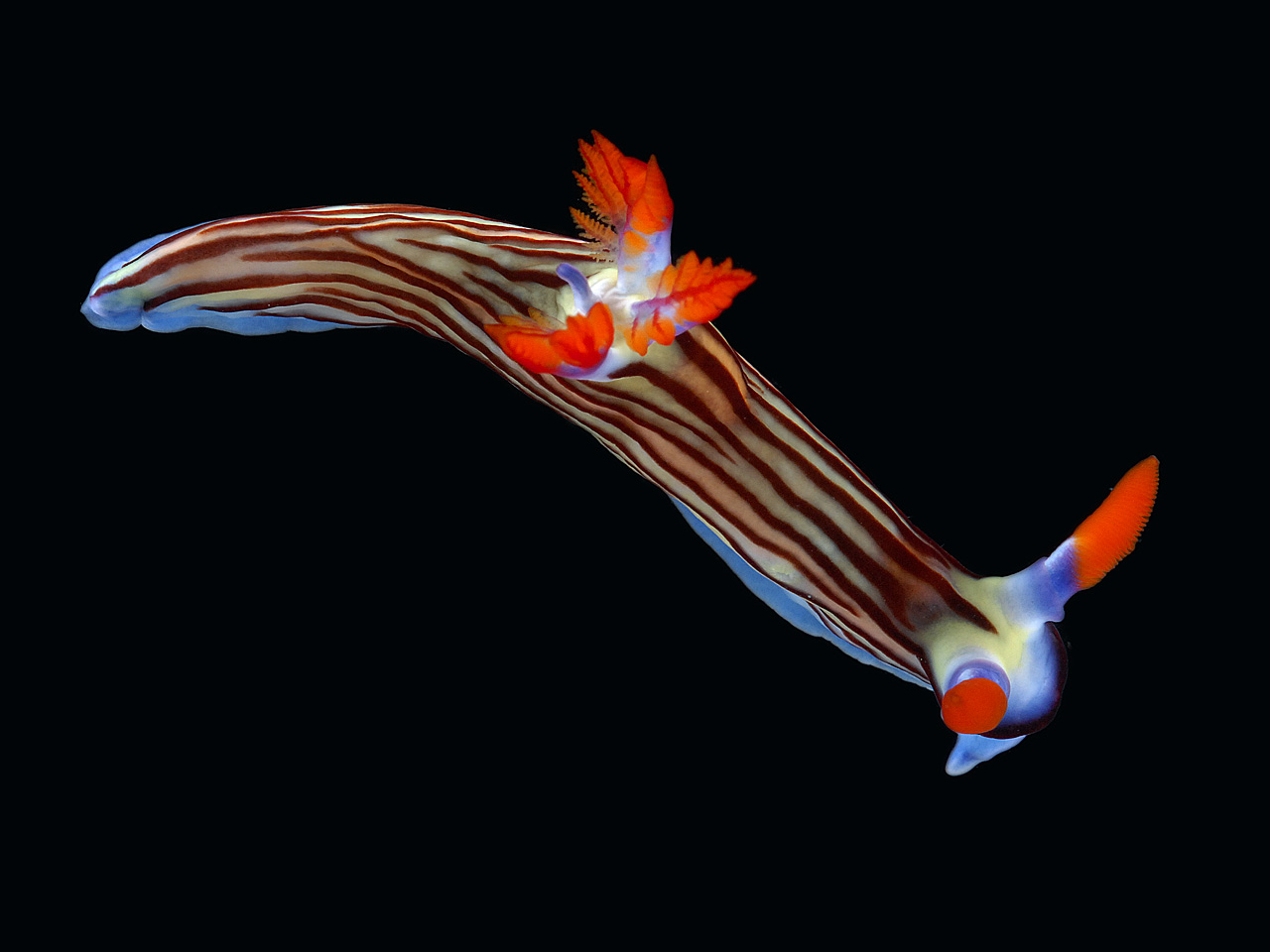
Nembrotha Aurea

By Bernard Picton – Own work, CC BY-SA 3.0, https://commons.wikimedia.org/w/index.php?curid=22742547

Check out the spectacular colors on this elegant nudibranch! Getting any ideas for Halloween costumes here?

This little nudibranch feeds on colonial ascidians, otherwise known as sea squirts. Mmmmm, makes my mouth water!

All Nudibranchs are classified into sub-species. For example, this one falls into the Nudibranchia suborder of Dorid Nudibranchs. From there it breaks down further into the Phanerobranch category of Dorids. These nudibranchs are generally long and slender with well defined heads. They also have non-retractable gills on their backs. In fact, the word phanerobranch means “evident gill.” Just a little science stuff to geek out about.

Phanerobranch dorid nudibranchs sometimes exhibit a behavior known as rearing. Sometimes they do it because they are repulsed by something toxic or dangerous. Other times they lift their upper bodies up like this just to have a better “look” around. You never know, there might be a mate or something yummy to eat nearby. They sense such things through their rhinophores, not their eye spots.

Where’s the buffet?

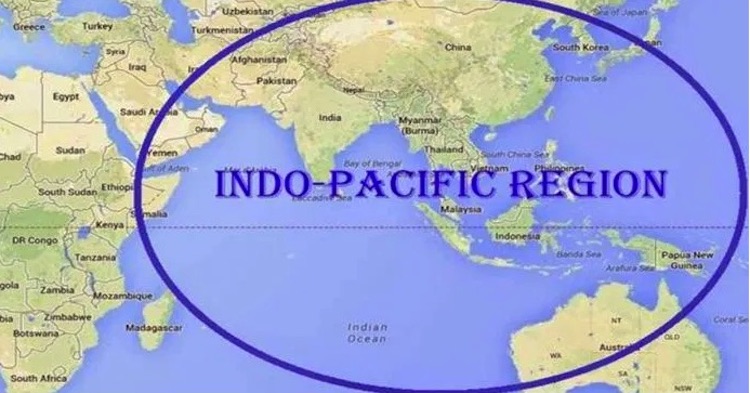
These nudibranchs can be found in the Tropical Indo-West Pacific. Where’s that? It’s the Indian Ocean and beyond. A watery paradise stretching from the east coast of Africa all across the Asian coastline and touching the shores of Australia. This nudibranch really gets around!

Image source: Global Village Space

I hope you enjoyed meeting the beautiful Nembrotha Aurea nudibranch. Stay tuned for November’s NUDI GILL Pin-Up!

Bonnie

Bonnie Kelso writes and illustrates books for children and adults that encourage individualism and brave self-expression. She facilitates art workshops for her local community and beyond. Her debut picture book, NUDI GILL, will be released in September, 2022. A lover of nature and travel, she can be found wandering about outside with her family whenever a good opportunity to do so presents itself.
NUDI GILL PIN-UP: Sea Clown

In preparation for NUDI GILL, my debut picture book release in September 2022, I will be blogging about nudibranchs monthly. My hope is that you, too, will fall in love with these colorful little critters. Without further ado, allow me to introduce you to September’s supermodel:

Triopha Catalinae

Photograph by Minette Layne from Seattle, Washington, USA – Salome

Check out that mustache! Unlike other dorid nudibranchs, the sea clown’s dorsal gills are not fully retractable. Triopha Catalinae is comfortable letting it all hang out!

Spotted Triopha, or Triopha maculata, photographed in Morro Bay, California by Robin Agarwal. Sourced from Flickr and shared via Creative Commons License.

The Sea clown also comes in opposite coloration. Which is your favorite? I can’t decide, but I’m loving these fall colors. Makes me crave a pumpkin latte.

Photograph by divindk
Santa Barbara, USA
. Sourced from Flickr and shared via Creative Commons License.

No clowning around, these nudibranchs are small. How many sea clowns could pile into a clown car? Probably all of them!

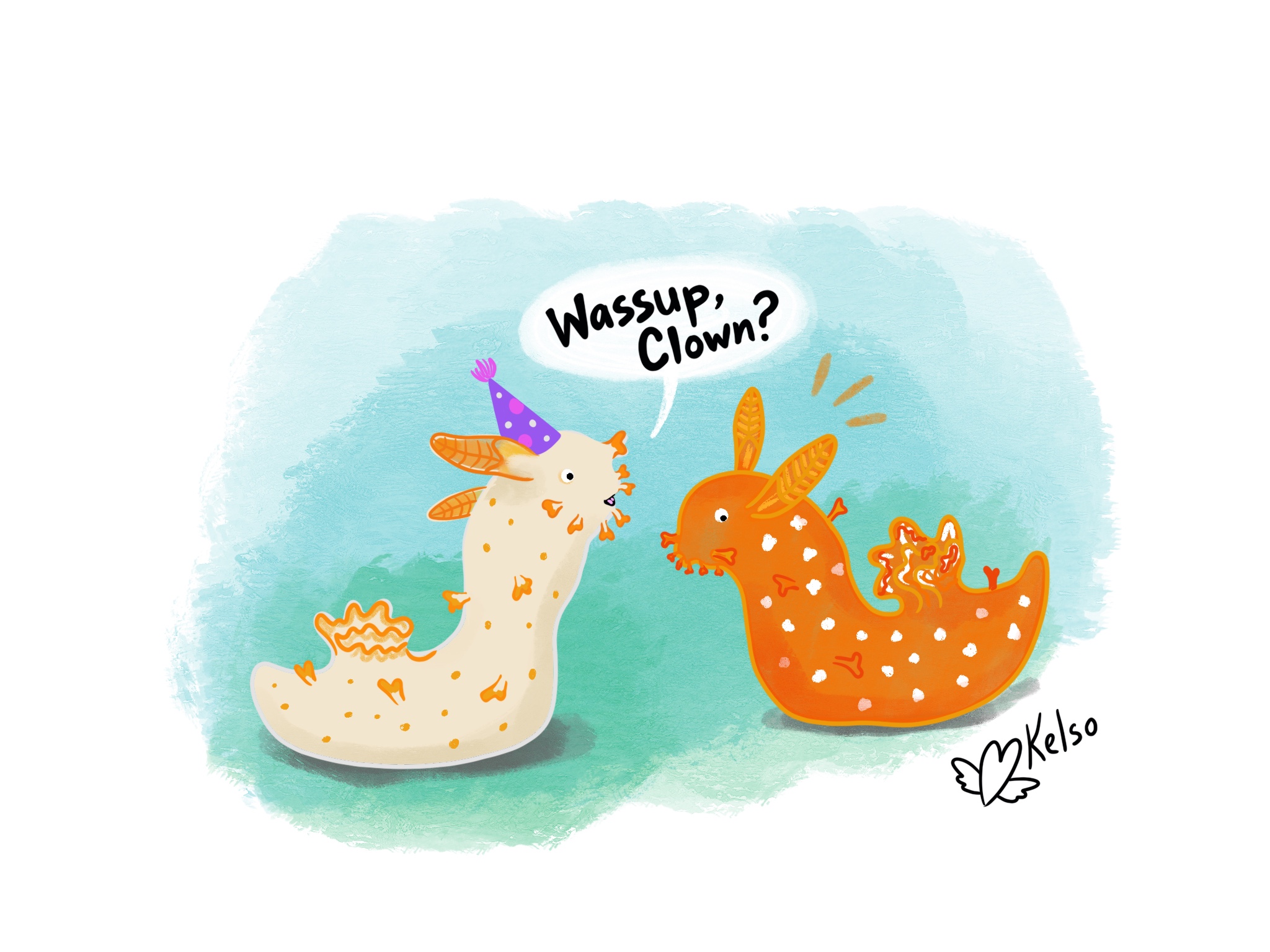
Who are you calling a clown?

The sea clown’s scientific name is derived from Santa Catalina Island, California, but you can find these nudibranchs in the Western Pacific from Mexico all the way to Alaska. They have also been found in costal areas of Japan and South Korea.

I hope you enjoyed meeting the Triopha Catalinae nudibranch. Stay tuned for October’s NUDI GILL Pin-Up!

Bonnie

Bonnie Kelso writes and illustrates books for children and adults that encourage individualism and brave self-expression. She facilitates art workshops for her local community and beyond. Her debut picture book, NUDI GILL, will be released in September, 2022. A lover of nature and travel, she can be found wandering about outside with her family whenever a good opportunity to do so presents itself.

NUDI GILL PIN-UP: Pteraeolidia Ianthina

In preparation for NUDI GILL, my debut picture book release in September 2022, I will be blogging about nudibranchs monthly. My hope is that you, too, will fall in love with these colorful little critters. Without further ado, allow me to introduce you to August’s supermodel:

Pteraeolidia Ianthina

A Serpent Pteraeolidia (Pteraeolidia ianthina). Halifax Point, Port Stephens, NSW. Photograph by Richard Ling.

A long serpentine body covered in blue, purple, green, or brown cerata (respiratory organs), earned this nudibranch the nickname of blue dragon. Its long winding body is reminiscent of a Chinese Dragon. So cool. Check out this mug. What a face!

Photograph by Sarah Han-de-Beaux. You have GOT to check out her website and amazing photographs, really!

What I find most astonishing about Pteraeolidia Ianthina is that is it solar-powered. Tesla has nothing on this baby! This nudibranch has developed a method of capturing and farming microscopic plants (known as zooxanthellae) right inside its own body. It’s a win-win relationship because the nudibranch provides protection for the plants and the plants help feed the nudibranch with the sugars they convert from the sun’s energy. (Read more about this on The Sea Slug Forum.)

The more zooxanthellae, the greener the nudibranch appears.

Talk about going green!

You can find these fiercely fabulous nudibranchs throughout the Indo-Pacific.

I hope you enjoyed meeting the Pteraeolidia Ianthina Nudibranch. Stay tuned for September’s NUDI GILL Pin-Up!

Bonnie

Bonnie Kelso writes and illustrates books for children and adults that encourage individualism and brave self-expression. She facilitates art workshops for her local community and beyond. Her debut picture book, NUDI GILL, will be released in September, 2022. A lover of nature and travel, she can be found wandering about outside with her family whenever a good opportunity to do so presents itself.

NUDI GILL PIN-UP: Hopkin’s Rose Nudibranch

In preparation for NUDI GILL, my debut picture book release in September 2022, I will be blogging about nudibranchs monthly. My hope is that you, too, will fall in love with these colorful little critters. Without further ado, allow me to introduce you to July’s supermodel:

Hopkin’s Rose Nudibranch

Photograph by Jerry Kirkhart, Los Osos, CA

Bubble-gum pink papillae cover this beauty from head to toe. And now you are probably scratching your head and wondering, where’s the head and where’s the toe? Look closely for the two rhinophores poking out on the right end.

BINGO! That’s the head. A nudibranch’s toe (or foot) typically spans the length of its belly, but Rose’s mantle, head, and foot are kind of all merged together in one flattish base. Below is a cool shot of the edge of Rose’s foot/body/mantle. And in case you were wondering again which end you are looking at, well… those feathery bits are anal gills. So basically, she’s showing off her bodacious bum here.

Photograph by Robin Agarwal

Another unique thing about Rose is her extra-large middle tooth. Give us a smile, Rose!

Hubba Bubba!

You can find more of these cool creatures lurking in tidal pools all along the Pacific Coastline from Baja California to Oregon.

I hope you enjoyed meeting the Hopkin’s Rose Nudibranch. Stay tuned for August’s NUDI GILL Pin-Up!

Bonnie

Bonnie Kelso writes and illustrates books for children and adults that encourage individualism and brave self-expression. She facilitates art workshops for her local community and beyond. Her debut picture book, NUDI GILL, will be released in September, 2022. A lover of nature and travel, she can be found wandering about outside with her family whenever a good opportunity to do so presents itself.
Art In Progress (Part 2)

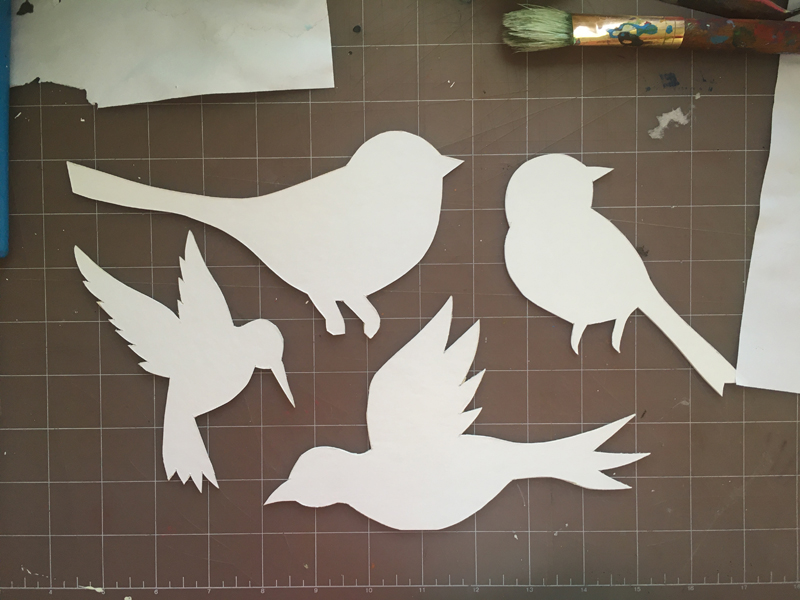
I’ve been preparing for my Youth Public Art Project for Clark County. The project itself will take place over Spring Break at the Desert Breeze Community Center. I will be facilitating the creation of fifty little birds with the help of fifty children. I call this project “Songbirds Of Hope,” because it is inspired by all the birds I heard singing after lockdown. That’s right… FIFTY unique birds cut out from mat board! I’ve been cutting a few each day and currently have 19 finished.

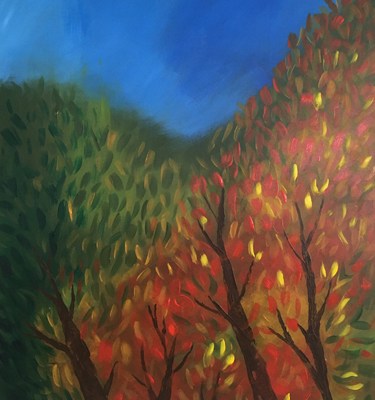
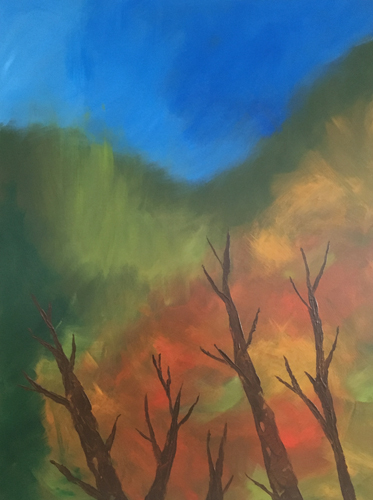
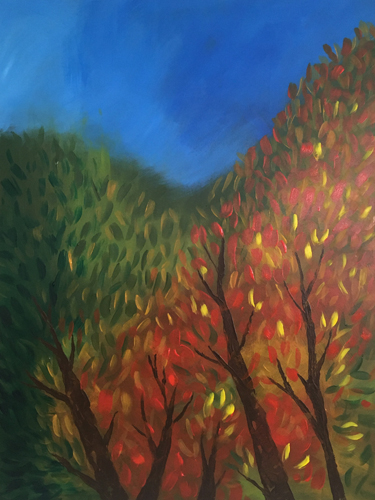
As I showed in my last post, the background layer was brushed in loosely. Here are my seasonal canvases after adding in the “happy” trees. I used my palette knife to create the textured tree trunks.

Then I painted in the leaves. Now my little world just needs some birds to live in it. Back to cutting out those little guys!

“Hope is the thing with feathers that perches in the soul and sings the tunes without the words and never stops at all.” – Emily Dickinson

Bonnie

Bonnie Kelso writes and illustrates books for children and adults that encourage individualism and brave self-expression. She facilitates art workshops for her local community and beyond. A lover of nature and travel, she can be found wandering about outside with her family whenever a good opportunity to do so presents itself.

Puff and Groop

This year I’m trying to enter all the picture book writing contests I can. I’m determined to stretch myself creatively and besides, who can resist a chance at winning a prize? Here is my entry for Vivian Kirkfield’s 50 Precious Words contest, and as you might guess, my story had to be 50 words or less. Not as easy as it sounds when you also have to include a compelling story arc. So, without further ado, here is my uber-short fish tale.

Puff & Groop

by Bonnie Kelso

Puff is a small fish.

Groop is a BIG fish,
gobbling everything in his path,
never asking questions.

When Groop gulps down Puff,
Puff goes…

POOF!!!

“Oooooooh,” moans Groop.

Puff closes his mouth,
holding his water as long as he can.

Groop opens his mouth wide.

BELCH!

Out pops Puff!

###

There were a whopping 759 entries for this contest! To read them all go to Vivian Kirkfield’s website.

Bonnie

Bonnie Kelso writes and illustrates books for children and adults that encourage individualism and brave self-expression. She facilitates art workshops for her local community and beyond. A lover of nature and travel, she can be found wandering about outside with her family whenever a good opportunity to do so presents itself.
Art In Progress

I thought I would share a little behind-the-scenes today. I am in the middle of preparing a Youth Public Art Project for Clark County. The project itself will take place over Spring Break at the Desert Breeze Community Center. I will be facilitating the creation of fifty little birds with the help of fifty children. I call this project “Songbirds Of Hope,” because it is inspired by all the birds I heard singing after lockdown. Did anyone else noticed how quiet the streets were for a while? There was little to drown out the sounds of nature. It was the highlight of my day, listening to those little birds. It brought me small moments of hope during a frightening and unsettling time. One year later, the pandemic is far from over, but I continue to commune with my bird neighbors on a daily basis.

Photograph by Jill Wellington.

This weekend I have been prepping my canvases which will soon become home for fifty bird cut-outs. I have a canvas to represent each of the seasons. It has felt so good to paint large again after a few years of focusing on picture books. The act of spreading these canvases out in my living room and pulling out the big brushes and paints has brought a new sense of hope and optimism into my own heart.

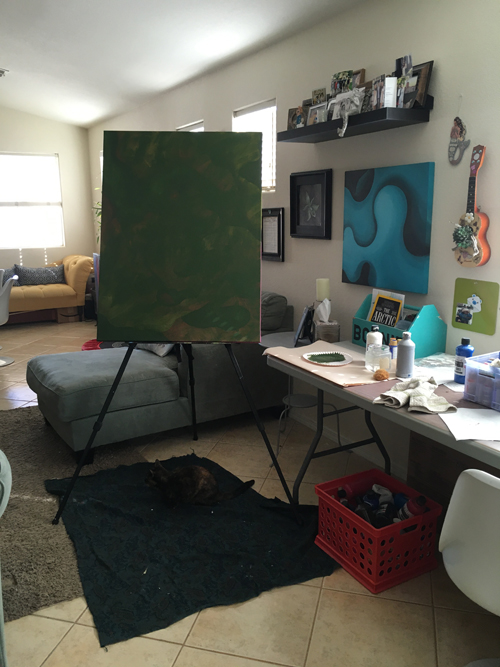
I have limited space, so I’m using my walls to hang the canvases up. I pull them down one at a time and work on them in my living room. I started with a dark green base layer.

Next, I put down my background layer. I tried to keep it loose with broad brush strokes. I wanted each canvas to speak to the season. Can you guess which season is represented on each canvas?

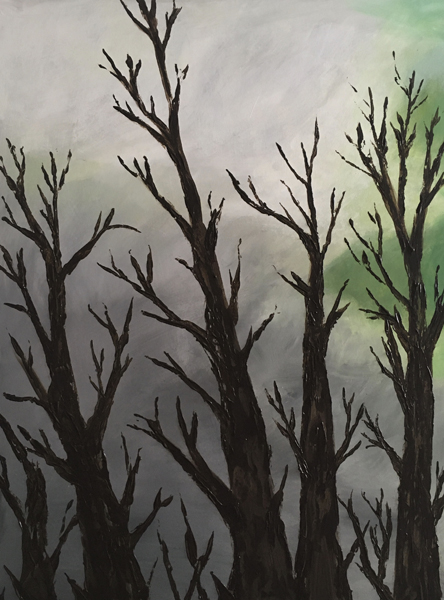
Now comes the fun part! TREES! I’m using my palette knife and working them in, Bob Ross style. Soooo much fun! Awwww, what happy little trees! Here’s winter. I’ll post the others later. Until then, I encourage you to take a walk outside if you can and listen for messages of hope and optimism from your bird neighbors.

“Hope is the thing with feathers that perches in the soul and sings the tunes without the words and never stops at all.” – Emily Dickinson

Bonnie

Bonnie Kelso writes and illustrates books for children and adults that encourage individualism and brave self-expression. She facilitates art workshops for her local community and beyond. A lover of nature and travel, she can be found wandering about outside with her family whenever a good opportunity to do so presents itself.

Reading and Writing

As a writer I find it embarrassing that I was never an avid reader as a kid. I was much more interested in going outside. It didn’t really matter what I was doing, as long as it was outside. Mostly, I wandered. I looked at things, smelled flowers, tried to talk to the birds, and when I felt really brave, I would lift up a rock and see what I might find hiding underneath. I didn’t really become a recreational reader until I graduated from college.

Continue reading